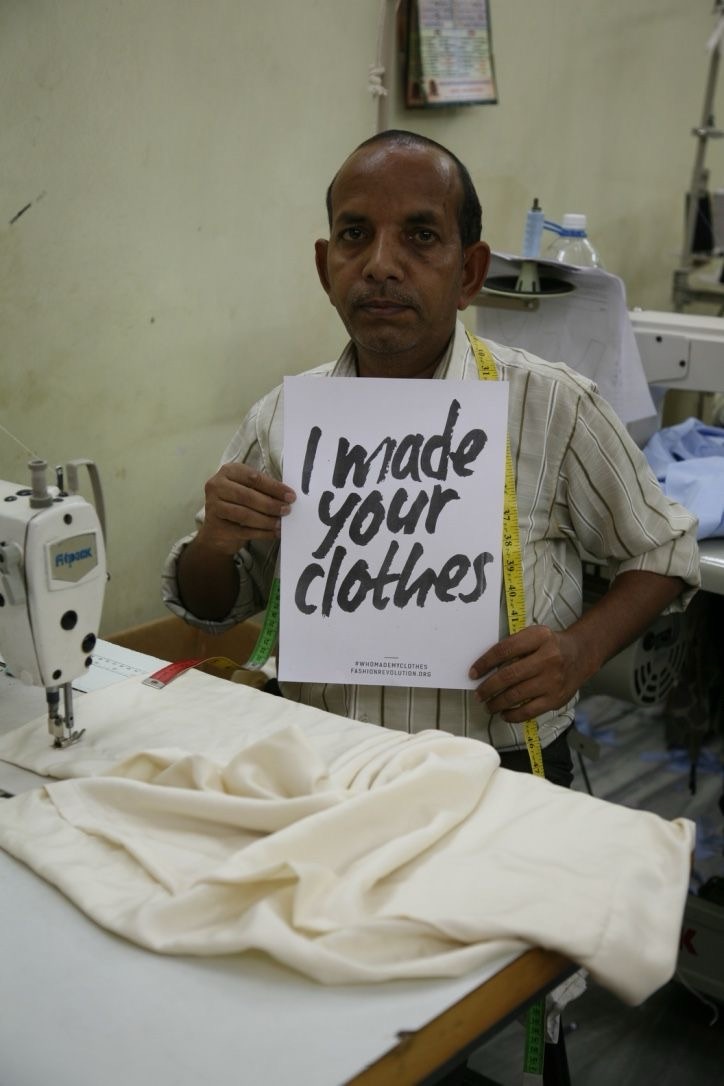
One way to reduce the negative impact of fast fashion and social media is to encourage people to focus on their personal style. Instead of copying trends, consumers can explore what truly reflects their personality. Styling existing pieces creatively can help people express themselves without constantly buying new clothes. Consumers can also experiment with upcycling, which involves reworking old garments into innovative designs. This practice not only reduces waste but also allows individuals to create unique, personalized items. Sustainable fashion brands offer an alternative to fast fashion by producing high-quality, eco-friendly clothing. These brands focus on long-lasting designs and ethical labor practices. By choosing sustainable brands, consumers can help reduce pollution and support fair wages for workers (Thompson, 2023, p. 4).
Additionally, consumers can embrace practices like clothing rental services, secondhand shopping, and wardrobe swaps. These options provide access to trendy or unique items without contributing to overproduction. Social media can also be a tool for change. Influencers and educators can use their platforms to instruct people about the problems with fast fashion and promote sustainable alternatives. Documentaries, posts, and videos can inspire people to make more ethical choices (Lee, 2024, p. A1). For example, some influencers have begun sharing content about “capsule wardrobes,” which focus on owning fewer but higher-quality pieces that work together. This promotes mindful consumption and helps individuals build lasting, versatile wardrobes.
A notable example is Emma Chamberlain, a popular influencer and YouTuber known for her candid discussions about personal style and self-expression. During a recent tour of her revamped wardrobe, Chamberlain highlighted her shift toward investing in timeless, durable pieces that reflect her unique taste rather than following fleeting trends. Chamberlain explained how this change not only simplifies her life but also aligns with her desire to shop more sustainably (emma chamberlain, 2024). By curating a wardrobe of versatile staples that can be mixed and matched, she avoids the pressure to constantly buy new items for social media appearances. Her focus on individuality and sustainability serves as an example for her millions of followers, inspiring them to reconsider their own shopping habits. The influence of public figures like Chamberlain is significant because they can use their platforms to educate and empower their audiences. By sharing her journey toward a more mindful wardrobe, she has helped normalize the idea that fashion does not have to be about constant consumption, it can be about creativity, quality, and sustainability. This kind of advocacy has the potential to shift the conversation around fashion on social media and encourage a broader cultural movement toward thoughtful consumption.
Governments can play an essential role in addressing the negative impacts of fast fashion by implementing robust regulations and policies that promote sustainability and ethical practices. One effective approach is to require brands to disclose their supply chain practices, ensuring transparency in sourcing, labor conditions, and environmental impact. Such transparency allows consumers to make informed decisions and holds companies accountable for their actions. Governments could also impose penalties on brands that fail to meet minimum environmental or labor standards, incentivizing them to adopt more responsible practices. Another impactful policy could involve offering tax breaks or subsidies to companies that prioritize sustainability, such as using recycled materials or investing in green technology. These incentives can reduce the financial burden of transitioning to sustainable practices, encouraging more brands to take initiative-taking steps toward eco-friendly production. Furthermore, governments can establish waste reduction targets for the fashion industry, mandating that companies recycle or repurpose a percentage of their unsold or discarded clothing. Public awareness campaigns spearheaded by governments can also educate consumers about the hidden costs of fast fashion. By promoting messages about ethical consumption and sustainability, these initiatives can encourage a shift in societal attitudes and behaviors.
For instance, collaborations with schools, media outlets, and community organizations could amplify the message and create a ripple effect of change. Additionally, brands can use their influence to set industry-wide standards for ethical labor practices and environmental conservation. By publicly committing to sustainable goals—such as achieving carbon neutrality or eliminating harmful chemicals from production processes, they can inspire competitors to follow suit. Publicly reported progress toward these goals not only builds consumer trust but also creates positive competition within the industry to improve sustainability metrics. If governments and companies work together to prioritize sustainability, they can create a ripple effect throughout the industry. By combining regulation, corporate responsibility, and consumer education, it is possible to transform the fashion sector into one that values environmental health, ethical labor practices, and long-term viability over short-term profits. This collaborative effort is critical to creating a future where fashion is both stylish and sustainable.
Fast fashion and social media have changed the way people view themselves and their clothes. While they make trends more accessible, they also encourage overconsumption, harm the environment, and create pressure to conform. These changes have made personal style less about individuality and more about keeping up with fleeting trends. However, there are ways to fight these negative effects. By supporting sustainable fashion, encouraging individuality, and educating consumers about the harm caused by fast fashion, we can create a healthier relationship with fashion. Governments and businesses also have a role to play in promoting ethical practices and reducing waste. In the end, it is possible to build a fashion industry that values creativity, fairness, and sustainability. With effort and awareness, we can protect the planet and help people rediscover the joy of expressing themselves through clothing.
Works Cited
Djafarova, E., & Rushworth, C. (2017). Exploring the credibility of online celebrities’ Instagram profiles in influencing the purchase decisions of young female users. Computers in Human Behavior, 68, 1-7.https://www.sciencedirect.com/science/article/abs/pii/S0747563216307506
Jackson, T., & Shaw, D. (2009). Mastering fashion marketing. Palgrave Macmillan. https://amzn.to/3Q5WCmQ
Kawamura, Y. (2005). Fashion-ology: An introduction to fashion studies. Berg Publishers. https://amzn.to/3CHRmTd
Lee, M. (2024, February 9). The evolving identity of fashion consumers in a digital age. The New York Times, A1.
Thompson, J. (2023, March 12). Fast fashion’s heavy toll: What’s the real cost of cheap clothing? Vogue.
emma chamberlain. (2024, November 27). i got rid of (almost) everything [Video]. YouTube. https://www.youtube.com/watch?v=qZLt2R2IgFE
 ECIN
ECIN 
Leave a comment